
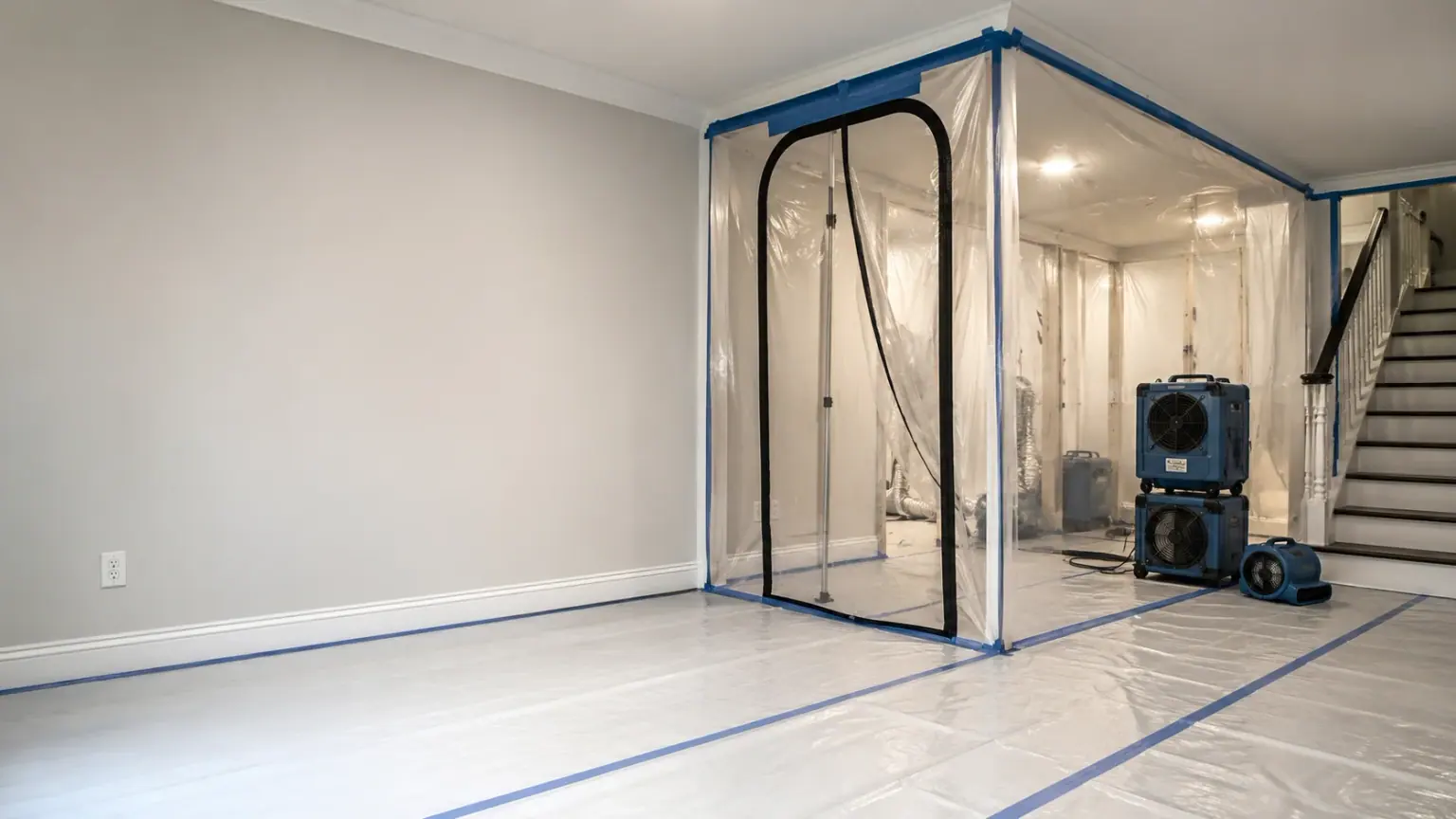
Niagara Falls Restoration Services
Restoration for a border city built around hospitality towers, established neighbourhoods, combined infrastructure, hydroelectric assets, and rapid southern growth.
Firstline Restoration provides 24/7 Restoration in Niagara Falls and across the GTA. We respond within 45 minutes, mitigate the damage, and document everything for your insurer, licensed, insured, and WSIB-covered.
Request Help in Niagara Falls
Calling is fastest for active emergencies. 45-min emergency response · free assessment · we work directly with your insurance.
Tell us what happened in Niagara Falls
Calling is fastest for active emergencies. 45-min emergency response · free assessment · we work directly with your insurance.
One Niagara Falls Project Record Across Every Operating Zone
Emergency evidence remains linked to guest rooms, residential units, public areas, equipment, contents, insurer communication, and permanent repairs.
Restoration for a Tourism and Hydroelectric City
Niagara Falls is not an extension of Niagara-on-the-Lake. Its operating landscape is shaped by twelve million annual visitors, hotel towers, casinos, attractions, the international border, hydroelectric works, older urban districts, and expanding south-end housing.
A Fallsview loss may cross guest floors, kitchens, elevators, retail, pools, and conference space. Chippawa contains older river-oriented buildings and postwar homes. Stamford and Mount Carmel have established subdivisions, while Garner and Grand Niagara are adding new construction. The Sir Adam Beck system brings specialized industrial assets and strict site authority. Firstline scopes the actual property and operating constraints rather than importing a winery, inn, or heritage-village method from elsewhere in Niagara.

response time

Building Recovery Available Across Niagara Falls
Firstline can provide water extraction, structural drying, sewage cleanup, temporary weather protection, fire and soot cleaning, smoke-odour treatment, mould remediation, controlled demolition, contents handling, and reconstruction. The response serves detached and attached homes, walk-ups, apartment towers, condominiums, hotels, restaurants, attractions, casinos, shops, warehouses, institutions, and industrial buildings.
Each site is divided by occupancy and system. A hotel riser failure requires room, corridor, and vertical-service records. A Drummondville house needs an assembly-level moisture map. A hydro or process facility adds owner-controlled access and technical authority before ordinary restoration can proceed.
Wet-Weather Pressure Is Documented in the Sewer System
Niagara Region classifies the Niagara Falls collection network as combined because a smaller portion carries sanitary and storm water together, while most of the system is separated. Inflow and infiltration still bring rain and groundwater into separated sections. Regional records show overflows during heavy precipitation at the Niagara Falls treatment plant and pumping stations. Those facts make source classification essential during a basement event. Firstline distinguishes a sanitary backup, municipal or private lateral problem, foundation seepage, roof entry, surface runoff, and an internal supply failure. Contaminated porous material is removed under controlled conditions, retained structure is cleaned, and drying begins after decontamination rather than before it.

The Niagara River Is Also an Engineered Power Landscape
Sir Adam Beck I, II, and the pump generating station have about 2,400 megawatts of combined capacity. Canals, diversion tunnels, reservoirs, switchyards, and more than a century of power infrastructure connect the upper Niagara and Welland rivers to the lower river. This is industrial critical infrastructure, not a scenic property type. Site access, electrical isolation, confined systems, technical equipment, environmental controls, and operator authority govern any restoration response. Firstline can address building water, smoke, cleaning, containment, and repair within an approved zone, while OPG or another operator retains control of energized and process assets.
Records distinguish ordinary building finishes from machinery and infrastructure that require owner engineers, manufacturers, or specialist vendors. The restoration scope never substitutes for plant operating procedure.


Lyons Creek and the Lower Welland River Shape South Niagara Falls
The city's southern landscape includes the Welland River, Lyons Creek floodplain wetlands, Ussher's Creek, and Willoughby Marsh. Niagara Peninsula Conservation Authority has mapped 100-year flood elevations for Lyons and Tee creeks. These flat, wetland-influenced systems behave differently from the steep Niagara Gorge.
Spring melt or intense rain can raise local water, slow drainage, and affect low roads or developing lands. Firstline records grade, drainage, source, and contamination before extraction. An address near Thundering Waters, Chippawa, or South Niagara Falls is assessed for its actual creek, sewer, and building context rather than being described as exposed to waterfall spray.

Hotel Restoration Is a Vertical Business-Continuity Project
Fallsview and Clifton Hill buildings can contain hundreds of guest rooms above restaurants, kitchens, pools, retail, assembly space, laundry, parking, and mechanical levels. A single water source may pass through identical-looking rooms with different occupancy and contents. Firstline labels rooms, floors, shafts, corridors, and back-of-house zones, then separates public circulation from equipment and demolition.
Work can be sequenced around safe operations where the owner permits, but revenue pressure does not shorten contamination cleaning or drying verification. Guest details remain private. Room status, material condition, and restoration action are reported as operational facts so management can make its own closure and reopening decisions.
Fire and Smoke Across Visitor and Residential Districts
A kitchen or electrical fire on Lundy's Lane can affect food equipment, public corridors, guest rooms, and neighbouring tenants. A house fire in Stamford may involve mid-century framing, later additions, and stored contents. Chippawa and Drummondville add old masonry, plaster, timber, and heritage properties. Firstline separates board-up and firefighting-water removal from residue cleaning, odour tracing, contents treatment, and reconstruction. Smoke can cross elevators, shafts, ducts, atriums, and service corridors even when flames remain localized. Each zone is tested and documented against its occupancy and material. Permanent exterior work accounts for any listed or designated heritage property without treating the whole city as a heritage district.

Niagara Falls Has a Real Apartment and Condominium Market
The 2021 Census counted 4,980 apartments below five storeys and 1,595 apartments in taller buildings, along with 2,820 row houses and 2,075 semis. Downtown, Elgin, Drummondville, and Lundy's Lane contain older rentals, while new growth adds condominiums and mixed use. Firstline maps water, smoke, or odour by suite, common element, riser, corridor, and floor. Elevator and parking access are protected before equipment movement. Residents receive scheduling information through management, and vulnerable occupants are considered in temporary routes. The loss record remains neutral where condominium corporation, owner, tenant, and insurer responsibilities overlap.

Winter Operations Continue During Tourism Season
Niagara Falls experiences lake-effect snow, blizzard wind, freezing rain, flash freeze, and spring thaw. In January 2026 the city prepared for 20 to 25 centimetres in a major storm. River ice also affects hydro operations, with OPG using an icebreaker to maintain flow. A building emergency may therefore coincide with whiteout travel, hotel occupancy, frozen plumbing, power disruption, and snow-blocked loading areas. Firstline distinguishes a pipe freeze from direct roof or wind damage and checks the vertical route below each opening. Dispatch plans QEW and local alternatives, safe heat and power, and enough supplies for a long response route.

Contents Range From Guest Property to Attraction Assets
A Niagara Falls contents file can include household belongings, guest luggage, linens, restaurant stock, retail inventory, electronics, attraction equipment, museum material, and hotel furniture. Items are photographed by room or operational zone before they are moved. Clean contents are separated from water, sewage, or smoke exposure, and sensitive property is routed to an appropriate specialist. A hotel operator retains authority over food, guest, and branded inventory decisions. Firstline's pack-out record connects item, original location, condition, action, and destination. That chain supports return after repairs and prevents a large hospitality project from becoming an anonymous warehouse of untraceable goods.
Distributed Heritage Is Different From an Old Town District
Niagara Falls recognizes historic landscapes in Stamford, Elgin, Clifton, Drummondville, Chippawa, Lundy's Lane, Portage Road, the power canal, and the Niagara Parkway. Designated properties include Chippawa Town Hall, the VIA station, Stamford Township Hall, and Battle Ground Hotel Museum. These resources are distributed among ordinary urban and tourism properties rather than enclosed in one preserved centre. Firstline checks the specific address and significant material before removal. Brick, stone, plaster, old windows, and hydro-era structures may need selective repair and documented matching, while a nearby contemporary hotel or subdivision follows a different construction system. Local history informs the scope without becoming a citywide stereotype.
The Niagara Falls Restoration Sequence
- Identify operating context. Dispatch records residential, hotel, attraction, apartment, industrial, river, or south-end conditions and the authorized entrance.
- Secure hazards. Water, contamination, smoke, electricity, unstable material, weather openings, and public access receive immediate controls.
- Map vertically and by zone. Floors, rooms, suites, shafts, equipment areas, and contents are labelled against the source.
- Protect clean operation. Guest, resident, staff, public, and loading routes are separated from active restoration.
- Clean, remove, and dry. Work follows contamination, material, readings, and operator requirements.
- Add technical findings. Heritage, structural, environmental, food, electrical, or process reviews enter the permanent scope.
- Reconstruct and reconcile. Final work is checked against the initial zone map and documented decisions.
Claim Records for Residential and Hospitality Losses
Firstline records observed source, emergency controls, affected rooms or operating zones, readings, cleaning, removals, contents, equipment, and repairs. A hotel file can separate guest floors, restaurant areas, operator inventory, and building systems. An apartment record distinguishes suites from common elements. An industrial file keeps machinery decisions apart from ordinary building finishes.
The insurer decides coverage and limits under the policy. Firstline can transmit the documented loss to an adjuster and provide direct billing when accepted. Deductibles and excluded work remain the property owner's responsibility. Business interruption and revenue calculations remain with the operator, insurer, and financial advisors.
QEW, Highway 420, Tourism, and Border Traffic Affect Access
The QEW is the main approach from Hamilton and Toronto. Highway 420 leads toward Fallsview, Clifton Hill, and the Rainbow Bridge. Stanley Avenue, McLeod Road, Lundy's Lane, Montrose Road, Thorold Stone Road, and the Niagara Parkway distribute traffic. Border queues at the Rainbow, Whirlpool, or Queenston-Lewiston bridges can redirect vehicles, while summer crowds and major events load the tourism district. South-end subdivisions and Chippawa sit beyond the core hotel grid. Firstline confirms the destination entrance, loading height, parking, public route, and equipment needs before arrival. Long-distance dispatch carries enough containment and drying capacity to avoid repeated GTA supply trips.
One Accountable Scope Across Niagara Falls Operations
Damage in Niagara Falls? Call Firstline.
Move guests, residents, and staff away from contamination, active smoke, unsafe material, and water beside electrical systems. Reach Niagara Falls dispatch at (416) 900-3508 with the address, building use, affected floors, and known source.
Mention hotel occupancy, public access, border-area congestion, industrial controls, or a restricted loading entrance so dispatch can prepare the first response.
Need restoration in Niagara Falls now?
Talk to Firstline Restoration, 24/7 emergency response, insurance claim support, and full reconstruction.
Companies We've Worked With
Trusted by Leading Organizations
Firstline Restoration serves commercial, institutional, and property-management clients across the GTA.









Niagara Falls Restoration Services FAQ
Do you handle large hotel losses?
Yes. Rooms, floors, corridors, shafts, kitchens, public space, back-of-house areas, and contents receive separate records and protected routes.
Is waterfall spray a common cause of building damage?
No broad claim should be made. Sewer capacity, plumbing, roofs, surface drainage, groundwater, creeks, and storms are investigated at the specific address.
Does Niagara Falls have combined sewers?
The regional system is classified as combined because a small portion carries sanitary and storm water together, while most sewers are separated. Inflow and infiltration also affect wet-weather flow.
Can Firstline work at a hydroelectric or industrial site?
Building restoration can proceed within operator-approved zones. Energized, process, and technical assets remain under the owner and appropriate specialists.
Do you restore apartment buildings?
Yes. Suites, common elements, risers, elevators, corridors, parking, and contents are mapped and documented separately.
Can you communicate with an insurer?
Firstline documents the physical loss, can work with the adjuster, and may use direct billing when approved. Coverage is policy-based, and the owner pays the deductible.
What matters when calling from a hotel or attraction?
Provide the service entrance, affected floors, source, guest or public restrictions, critical systems, loading limits, and the manager authorized to control access.
Request Niagara Falls Restoration Services
Call Firstline 24/7/365 for emergency stabilization, cleanup, damage records, and reconstruction.
Request Help Now
Calling is fastest for active emergencies. 45-min emergency response · free assessment · we work directly with your insurance.
Restoration Near Niagara Falls
View all service areas →Firstline Restoration provides 24/7 emergency response for restoration across Toronto and surrounding Ontario communities.